
The Literature Review

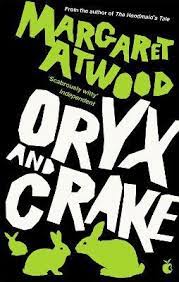
My thesis examines the role of the Supernatural and its tie to Environment in post-apocalyptic works. The project will involve the comparison of several texts that engage with post-apocalyptic settings and premises. The primary works covered within this cultural comparison will be Roadside Picnic by the Strugatsky Brothers, Metro 2033 by Dmitry Glukhovsky, The Road by Cormac McCarthy, and Oryx and Crake by Margaret Atwood. The comparative study will explore different approaches to depicting non-human agency and mankind’s relationship to their environment. Some of the selected works, those that emerge from a Russian context especially, employ the Supernatural to emphasise non-human agency more explicitly than the contrasting Anglophone works. My research will include an investigation of the cultural contexts that inform this difference, and what the contrasting approaches imply about these works’ commentary on non-human agency and environmental relationships.

Narratives of utopia and teleological narratives concerning technology, which centre human mastery of nature, form a crucial component in situating the texts. These narratives will contextualise the depiction of environment and space in the cultural contexts from which the differing texts emerged. The work of Lyman Tower Sargent, such as “Colonial and Postcolonial Utopias” or “Colonial Utopias/Dystopias”, will situate my work in concepts, narratives and localisation of Utopia. Sargent’s “The Three Faces of Utopianism Revisited” addresses key concepts of Utopia. Importantly, Sargent defines ‘Anti-Utopia’ as a ”non-existent society described in considerable detail and normally located in time and space that the author intended a contemporaneous reader to view as a criticism of utopianism or of some particular eutopia(positive utopia).“(Sargent, 9) ‘Anti-Utopia’ will provide a key concept for my thesis, parsing post-apocalyptic works as reactions against culturally specific Utopian narratives.

Other critical works utilised to confound this relationship include Edward James’s “Utopia and Anti-Utopia”, Peter Fitting’s “Utopia, Dystopia and Science fiction”, and Jacqueline Dutton’s “‘Non-western’ utopian Traditions”. Elana Gomel’s critical work can situate Roadside Picnic and Metro 2033 as responses against Utopian narratives of Soviet and Post-Soviet culture. “Gods like Men: Soviet Science Fiction and the Utopian Self” and “Science Fiction in Russia: From Utopia to New Age” examine Utopian Russian narratives which contextualise the Russian works’s approaches to Anti-Utopia. Matthias Schwartz links Environment, Soviet Anti-Utopia, and relationship to state narratives in discussion of Metro 2033 in: “Utopia Going Underground: On Lukyanenko’s and Glukhovsky’s Literary Refigurations of Post-socialist Belongings between Loyalty and Dissidence to the State.” To contextualise Environment and anti-utopia narratives further, I will employ Susan Buck-Morss Dreamworld and catastrophe: the passing of mass utopia in East and West. Buck-Morss’s work will provide a counter-part, examining Anglophone and ‘Western’ Utopian narratives. Brian Stapleford’s “Ecology and Dystopia” and Rowland Hughes and Pat Wheeler’s ““Eco-dystopias: Nature and the Dystopian Imagination”, through their eco-critical approach to utopia and dystopia, provide a connection between concerns of environment and (anti-) utopian narratives. This connection is crucial to my thesis’s linking of culturally specific utopian narratives with an eco-critical and environmental approach to post-apocalyptic works.
To situate connections of the Supernatural, Agency, and Environment, I will utilise the concept of the Eco-gothic in my approach. EcoGothic, edited by Andrew Smith and William Hughes, explores the Gothic through eco-criticism with roots in the Romantic and contemporary environmental concerns. Environment becomes a “semiotic problem”(Smith and Hughes, 3), challenging narratives of human subjugation of nature. The Gothic Nature Journal examines this relationship of Gothic, Supernatural, and Nature further: “Nature is consistently constructed in our stories as Other, excessive, unpredictable, disruptive, chaotic, enticing, supernaturally powerful, and, perhaps most disturbingly, alive.”(Parker and Poland,1)Nature as Gothic and Other presents a key theme of my thesis, a relationship advanced by the concept of the Eco-Gothic. Locating the Supernatural post-apocalypse further in ‘weird’ fictions, Roger Luckhurst’s “The weird a dis/orientation” traces a tradition of fictions that lend agency to the non-human through representations of the incomprehensible and supernatural.

Elana Gomel’s Narrative Space and Time: Representing Impossible Topologies in Literature serves as a link between science fiction stories and the Othered environment. Gomel regards the manner in which science fiction stories attempt to represent negative and impossible spaces. The Eco-Gothic environment defies human efforts at order and subjugation in a way that engenders a crisis of representation. Gomel’s examination of impossible spaces and their representation in speculative stories will thus further my thesis’s investigation of post-apocalyptic space.
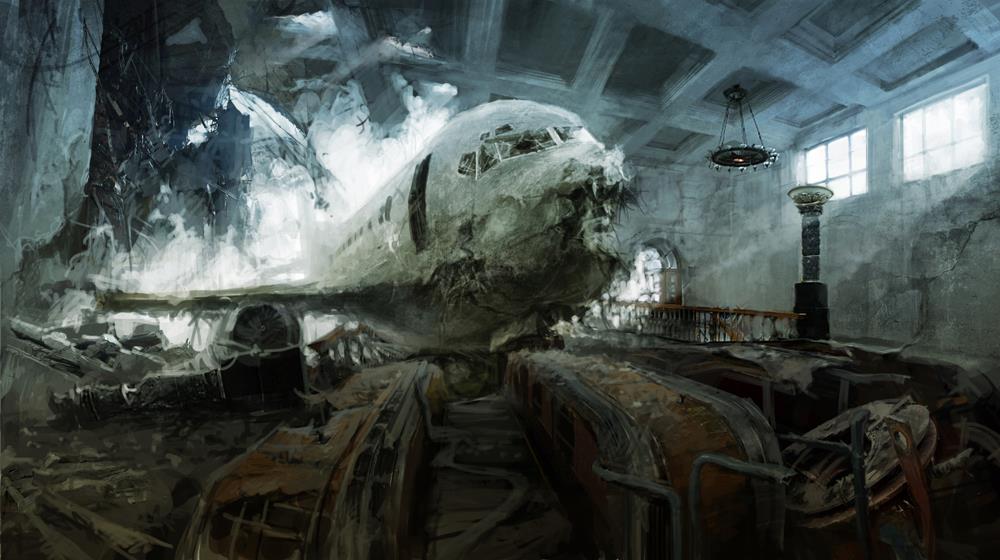
Concept Art from Metro: Last Light, Deep Silver

Discussions of Environment and its relationship to the humans appear in existing critical works that treat my primary case studies.  Such works will strengthen the connection between my theoretical approaches with the close reading of primary case studies. Gabriel Burrow’s “Humanizing Harmont: Place and Desire in Roadside Picnic” targets the setting of the Strugatsky’s Roadside Picnic, investigating the threads between the town, the Supernatural Zone, and desire. Bill Hardwig’s “Cormac McCarthy’s The Road and ‘a world to come’” and Lydia Cooper’s “Cormac McCarthy’s The Road as Apocalyptic Grail Narrative” examine the unusual nature of The Road’s dead landscape. Eco-critical approaches crop up in criticism of Oryx and Crake, such as Nazry Bahrawi’s “Hope of a hopeless world: eco-teleology in Margaret Atwood’s Oryx and Crake and The Year of the Flood” and Valeria Mosca’s ““Crossing Human Boundaries: Apocalypse and Posthumanism in Margaret Atwood’s Oryx and Crake and The Year of the Flood”. These works explore the power of environment and space to affect and mutate human senses of self and definition.

Kathryn Yusoff’s A billion black Anthropocenes or None, “Anthropogenesis: Origins and Endings in the Anthropocene” and “Climate change and the imagination” target different facets of human agency narratives and apocalyptic visions. These examinations will round out my environmental approach through their examination of the ‘Anthropocene’, a term closely tied to human agency. Marginalised visions and contemporary apocalyptic narratives create further nuance in Yusoff’s discussion of agency and apocalypse, which will diversify and refine my research approaches.

The research aims of my thesis draw on a wide range of critical approaches and concepts. The texts here highlighted are in the areas of Utopian Studies, the eco-gothic, and thematic focuses on agency. They are the most prominent among many texts that will connect the post-apocalyptic works’ approaches to the Supernatural, environment, and how they are situated in cultural contexts. While the possibility to dive into fields of Adaptation and Digital Media is available, my thesis may only pursue these avenues if the selected research yields a connection.

Sources

Bahrawi, Nazry, “Hope of a hopeless world: eco-teleology in Margaret Atwood’s Oryx and Crake and The Year of the Flood,Green Letters, Vol.17, Iss.3, pp.251-263.

Buck-Morss, Susan, Dreamworld and catastrophe : the passing of mass utopia in East and West (London: MIT Press, 2002).

Burrow, Gabriel, “Humanizing Harmont: Place and Desire in Roadside Picnic,” Foundation, Vol.50, Iss.140, pp.5-17.

Cooper, Lydia, “Cormac McCarthy’s The Road as Apocalyptic Grail Narrative,” Studies in the Novel, Vol.43, Iss.2 (2011), pp.218-236.

Dutton, Jacqueline, “‘Non-western’ utopian Traditions,” in The Cambridge Companion to Utopian Literature, ed. By Gregory Claeys (Cambridge: Cambridge University Press, 2010),pp.223-258.

Fitting, Peter, “Utopia, Dystopia and Science Fiction,” in The Cambridge Companion to Utopian Literature, ed. By Gregory Claeys (Cambridge: Cambridge University Press, 2010),pp.135-153.

Gomel, Elana, “Gods like Men: Soviet Science Fiction and the Utopian Self,” Science Fiction Studies, Vol.31, No.3 (2004), pp.358-377.

—,  “Science Fiction in Russia: From Utopia to New Age,” Science Fiction Studies, Vol.26, No.3 (1999), pp.435-441.

—, Narrative Space and Time: Representing Impossible Topologies in Literature (New York: Routledge, 2014).

Hardwig, Bill, “Cormac McCarthy’s The Road and “a world to come”, Studies in American Naturalism, Vol.8, Iss.1(2013), pp.38-51.

Hughes, Rowland and Wheeler, Pat, “Eco-dystopias: Nature and the Dystopian

Imagination,” Critical Survey, Vol.25, Iss.2(2013),pp.1-6.

Hughes, William and Smith, Andrew, EcoGothic, (Manchester: Manchester University Press, 2013).

James, Edward, “Utopia and Anti-Utopia,” in The Cambridge Companion to Science Fiction, ed. by Edward James and Farah Mendlesohn (Cambridge: Cambridge University Press, 2003),pp.219-229.

Luckhurst, Roger. “The weird: a dis/orientation,”Textual Practice, Vol.31, Iss.6 (2017), pp.1041-1061.

Parker, Elizabeth and Poland, Michelle, “Gothic Nature, An Introduction,” Gothic Nature, Issue 1, 2019, pp.1-21.

Mosca, Valeria. “Crossing Human Boundaries: Apocalypse and Posthumanism in Margaret Atwood’s Oryx and Crake and The Year of the Flood,Essays, Iss.9 (2013), pp.38-51.

Sargent, Lyman Tower. “Colonial and Postcolonial Utopias,”  in The Cambridge Companion to Utopian Literature, ed. By Gregory Claeys (Cambridge: Cambridge University Press, 2010),pp.200-222.

—. “Colonial Utopias/Dystopias,” in The Oxford History of the Novel in English: Volume 9: The World Novel in English to 1950, ed. by Ralph Crane et al. (Oxford: Oxford University Press, 2018),pp.300-312.

—. “The Three Faces of Utopianism Revisited,” Utopian Studies, Vol.5, No.1, (1994),pp.1-37.

Schwartz, Mathias, “Utopia Going Underground: On Lukyanenko’s and Glukhovsky’s Literary Refigurations of Post-socialist Belongings between Loyalty and Dissidence to the State,” The Russian Review, Vol.75, No.4 (2016), pp.589-603.

Stableford, Brian, “Ecology and Dystopia,” in The Cambridge Companion to Utopian Literature, ed. By Gregory Claeys (Cambridge: Cambridge University Press, 2010),pp.259-281.

Yusoff, Kathryn, A billion black Anthropocenes or None (Minnesota: University of Minnesota Press, 2018).

—, “Anthropogenesis: Origins and Endings in the Anthropocene,” Theory, Culture & Society, Vol.33, No.2 (2016), pp. 3-28.

–, “Climate change and the imagination,” WIREs Climate Change, Vol2, Iss.4 (2011), pp.516-534.

A reflective Blog Portfolio of Fables and Reflections

When my MA programme issued the assignment of a blog in October, I found myself equal parts excited and daunted. The opportunity to write freely about topics of interest held a lot of fascination, lending the project a promising shine. Yet, the project contained challenges. Would I be able to strike the right tone? Could I give the site an appealing look and a regular schedule? Was there a cohesive set of ideas and media around which I could not only write small pieces about, but which also would ultimately tie into my thesis? Despite periods of doubt, I believe I found roads to achieving these goals (though the updating schedule was not what I would have wished it to be). Let me pause for reflection in this Blog Portfolio, look back and explore this blog as part of my academic journey.

Creating the blog, I was able to find a vision for design. I let myself be led by my fondness for darker colour schemes into a satisfying aesthetic and graphics, incorporating icons for the diverse media that could feature like literature and video games. However, though the design provided an auspicious start, I missed a crucial aspect: a leading theme or topic. Turning this absence into a strength, the title of my blog became “Fables and Reflections”, a reference to a collective volume of Neil Gaiman’s Sandman Comics. The collection, containing separate stories with different characters and settings, paints a larger picture. The collection reveals shared themes when the whole work is considered. While it may have served as an excuse at the time, this choice turned out prophetically accurate. As I hope to demonstrate, my blog posts fall into a bigger picture of my sensibilities as a researcher. A lot of the themes and media align more closely than anticipated with what I chose as my current research project and master’s thesis.

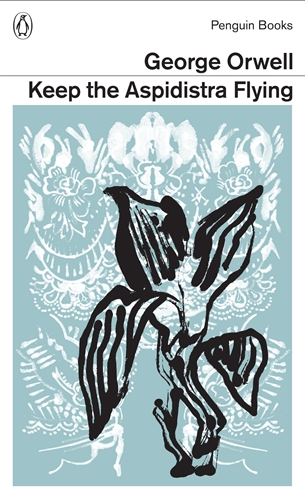
In my first blog entry, I conducted an analytic review of George Orwell’s novel Keep the Aspidistras Flying. I examined the novel’s commentary on the entrapment of systems through the protagonist’s failure to extricate himself from the unjust system in which he lives. I compare Gordon Comstock’s pessimistic outlook and squalid self-chosen existence to Capitalist realism: “the cultural malaise and feeling that there is no alternative to capitalism”(Orwell’s Keep the Aspidistras Flying: An Exercise in Self-Flagellation and Doubt, November 7, 2022)

 Structurally, this entry was a learning experience. The tone strays closer to the academic than the blended tone I later developed. Aesthetically, it fell short, forming a block of text without sufficient visual components. It also lacked interactivity through other media. However, imperfect first attempt though it may be, it displayed some relevant insights into individual’s relationship to systems and their surroundings.

“What is left for the reader is a novel that provides no hope of escape or resolution. Gordon Comstock’s story wants to tell us that there is no way to extricate oneself from our society the way it is structured. Any defiance ultimately leads you deeper into its clutches or is disingenuous. All ways ultimately lead back to miming a performance of respectability and realignment with the goals of accepted society”

Orwell’s Keep the Aspidistras Flying: An Exercise in Self-Flagellation and Doubt, Fables and Reflections, November 7th, 2022

Relationships between individuals, humanity, and their ability to stretch their imagination beyond their current systems and environment form a core part of my current research into Post-Apocalyptic Novels. Pessimism and an inability to look beyond human economic systems resemble the inability to look beyond human environmental agency. In this manner, my first venture into blog writing stretched relevant conceptual muscles. Furthermore, it was an exercise continued in my second blog entry, replacing systems with rigid conceptions of history.

Inspired by two research seminars attended in University College Cork in November, my second foray investigated a similarity they shared: A call to revise and look beyond our familiar approaches to history. Dr. Heather Laird reflected on Decolonization as an effort of re-imaging the future via historical events that could have offered an alternative outcome, focusing on Agrarian Land Unrest as Socialist and Anti-Colonial Action. She presented an argument that imagined history beyond a narrative of cause and effect of the political sphere. Dr. Cronin’s talk, a more literary spin, presented homoeroticism as a spectre of hope and possibility. He posited that selected queer texts presented ambiguous spaces of possibility, rife with potential for the future through their disconnection from hegemonic values. This blog post, though still not perfecting style and tone, neatly dovetailed my first post. It appeared as a response to the challenge of capitalist Realism issued, a theme, which I consequently addressed.

” A fixed temporal imaging of history can make it easier to imagine the end of the world than to imagine the end of capitalism. …The hegemonic fixed historical knowledge can constrict and limit the mind’s imagination for alternatives, and what remains is despair. Applying the insights from the research seminars could pose an entirely different approach. A failed Socialist state could instead become a historical possibility that, instead of failing did not succeed, an insight into a different possible present. And queer or subcultural spaces could become ambiguous spaces, disruptions to temporality that allow for imagining alternative futures, bursting mental constriction.”

– Defying the Edifice of linear History in Academic Research, Fables and Reflections, November 16th, 2022

These initial blog posts were in many ways imperfect. I was yet to refine many aspects of the blogging experience, such as the post appearance and tone. However, there is a shared analysis at the core of both posts that I hoped to have highlighted with this extensive discussion. My attention on systems, environments, and human’s ability to imagine beyond themselves and these systems repeatedly appears in my research of post-apocalyptic media. My next post, which discussed the Horror Podcast The Magnus Archives, constituted a first foray of this analytical approach to post-apocalyptic and horror media.

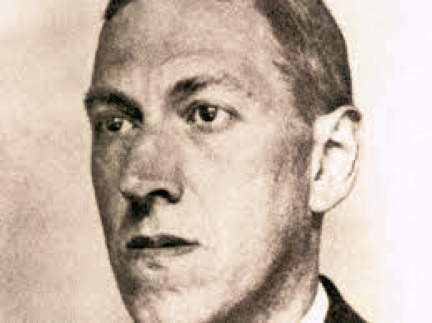
Specifically, I wrote about the legacy of H.P.Lovecraft in a modern horror story. I argued that The Magnus Archives transforms Lovecraft’s existential horror into a modern conception of existential horror. The podcast regards the powerlessness of existential horror, its corruption of protagonists and lack of free will, and applies this horror to systematic exploitation. It connects supernatural horror to systemic injustices. Furthermore, the supernatural powers corrupt the protagonists and thus the story reveals their complicity within exploitative systems. Here, I incidentally mirrored my commentary on Orwell’s Gordon Comstock within the world of horror:

“The horror of systems feels especially existential because all main characters come to realise they are unwilling participants and agents of the Fear’s predation. By implicating the characters within these predatory systems, the story conveys the horror of systems in which we are enmeshed but cannot escape.”

– The Magnus Archives: Elevating the Eldritch, Fables and Reflections, December 17th, 2022

As I conduct this reflective act of retrospection, my piece on the Magnus Archive presents to me an important connective tissue. It is a turning point, a piece in which I transferred my analytic approach of systems and individuals to genre, to horror and the apocalypse. The discussion feels like an important act of transference.  I also believe this post presented a higher standard in my use of the visual, and incorporation of media. Accordingly, I would like to highlight another passage.

The Magnus Archives truly goes beyond in its apocalyptic vision. Unlike Lovecraft’s Old Ones, the Fears ultimately succeed. The world depicts what I would imagine as a Lovecraftian Apocalypse. Space and Time are suspended. The world functions differently in pockets across space. Death and human physical needs cease to exist. It is a world of nightmares, but since it is a logical extension of the previous story, the apocalyptic world heightens the horror of systematic exploitation. The Fears’ pockets construct loops and mini-ecosystems of fear that entrap humans in endless loops of fear and suffering. “

-The Magnus Archives: Elevating the Eldritch, Fables and Reflections, December 17th, 2022

This passage stands out to me as a surprisingly prophetic connection. It links the systemic analysis I practiced in my initial blog ventures with prominent themes in my current research. One of my targets within my thesis research on different post-apocalyptic works, such as Metro 2033 and The Road, is space and environment. I have found enjoyment and rich commentary in finding how space interacts with human existence, how it affects its inhabitants. A key theme within the treatment of space is the suspension of human system order such as central time or measurements of space. The highlighted passage touches upon the disordering of human structure as something Lovecraftian and apocalyptic. It discusses space as oppressive and exploitative while threading on the themes of entrapment in systems that characterised my first blog ventures. I truly believe the passage depicts the ways in which my research and academic journey has developed throughout my blogging experience.

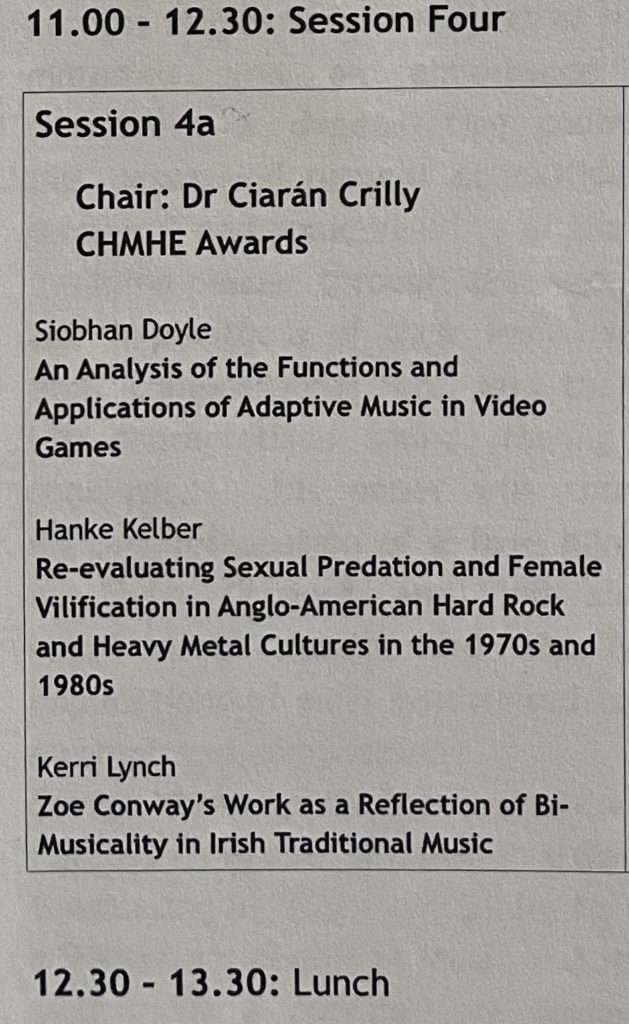
January saw my first conference experience, basis of my fourth blog post. (Though the post’s publication was unluckily just about delayed into February.) On January 21st and 22nd, I attended a Post-graduate conference run by the Society of Musicology Ireland and the International Council for Traditional Music Ireland. I had the honour of presenting a paper based on my Undergraduate Thesis, “Re-evaluating Sexual Predation and female Vilification in Anglo-American Hard Rock and Heavy Metal Cultures in the 1970s and 1980s”. The conference experience was exciting and rewarding in many facets. Speakers presented on a variety of topics. Some particularly interesting talks regarded the synthesising of traditions, analogue, and digital methods. Attending a conference felt like a rite of passage, a first serious engagement with academic community. My takeaways influenced me throughout the year in research and for my Master’s programme own Mini-Conference.

“The process of discussing the topic and conclusions of my thesis gave me the feeling of a firm knowledge in an area I had spent a considerable amount of time researching. There was something affirming in having my comparative expertise tested in such a way. I found myself excited to embark on the journey to acquire a similar knowledge through my Master’s thesis”

– SMI and ICTM Joint Postgraduate Conference: A Brief Travelogue, Fables and Reflections, February 2nd, 2023

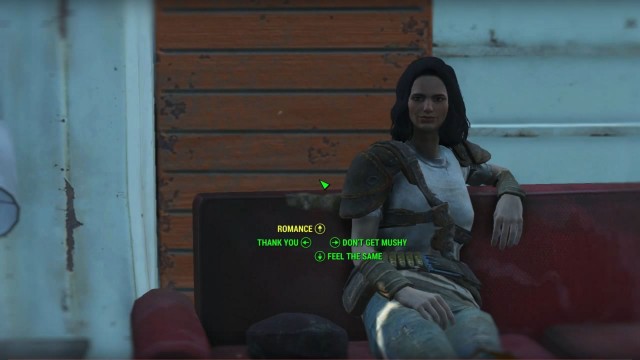
My following endeavour constituted a return to post-apocalyptic media, though in a tangential way. Incorporating my interest in Video Games, I considered Romance dynamics in Role-Playing Games, just in time for Valentine’s Day. This post marks the start of a consistent blog aesthetic, a persistent way in which I employed media galleries and pictures. I considered Bethesda games, such as the post-apocalyptic Fallout 4 or the fantasy game Elder Scrolls 5: Skyrim. Romance mechanics in these games appear very transactional. Romantic companions lack depth as characters.

“The reality of their emotion and romance bears little depth to the characters and their world. It contributes to the feeling that the world of the game is made for you, the player. It revolves around you, its inhabitants ready to offer quests, be romanced, or shot.”

-The Uncomfortable Romance Of Role Playing Games, Fables and Reflections, February 17th, 2023

Other games, such as Fallout: New Vegas or The Outer Worlds, in contrast, imbue their world with more richness and nuance by scripting sexualities and denying player romance. Transactional forms of romance, on the other hand, find parallels in certain modern approaches to romance. It resonates with the streamlining and gamification of human relationship. In essence, the blog piece formulates an argument about the relationship between media and its creation; how media’s designed forms of interactivity reflect practical attitudes and approaches. Unlike the first three posts, this analysis of a piece of post-apocalyptic media does not neatly dovetail to analyses of systems and environments. However, it is part of a diverging, equally relevant pattern of analysis I employed in my writing, regarding the importance of text’s surrounding contexts and design implications. I finish the post by pondering media consumption and intentions:

“If the media we consume shapes how we interact with the world and people around us, it bears thinking about what fantasies about romance our media sells to us. Love and Romance is complicated, but much more successful when we respect our partners’ feelings and interiority. The temptation to retreat into simpler, classifying narratives provides little benefit. The more depth we allow for, the more we can make out of relationships.”

-The Uncomfortable Romance Of Role Playing Games, Fables and Reflections, February 17th, 2023

Though this particular passage focuses on love and relationships, the role of the text’s consumer and relationship to real life narratives impact my research on the post-apocalypse equally.

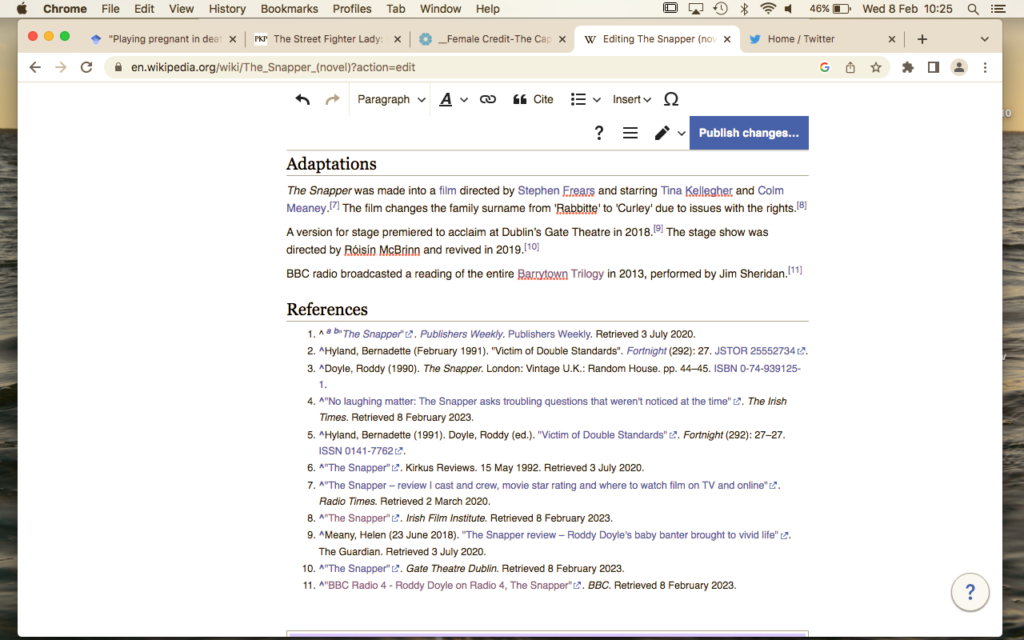
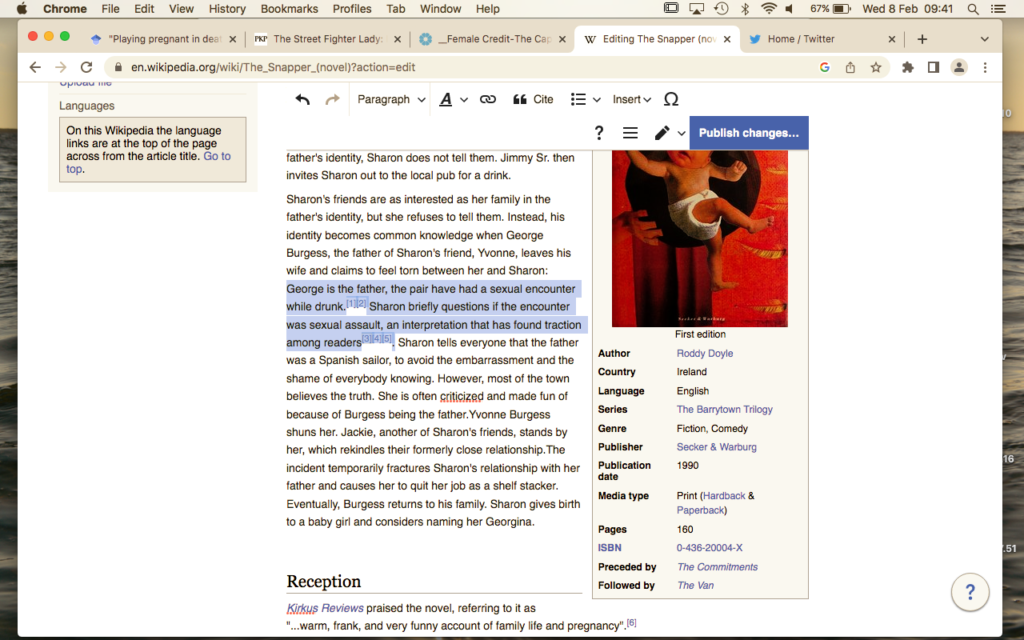
I went on to a similar endeavour shortly afterwards, but a Wikipedia Editing Session and its reflection briefly interrupted this through-line. Starting as an intriguing assignment, the #EditWikiLit session took place as part in my Master’s class. I tackled editing the page of Roddy Doyle’s novel The Snapper, focusing particularly on an oversight regarding the treatment of the main character’s sexual assault. Editing Wikipedia was an enjoyable and rewarding activity. It revealed to me a positive communal nature of knowledge both in Wikipedia’s and Academia’s brightest iterations.

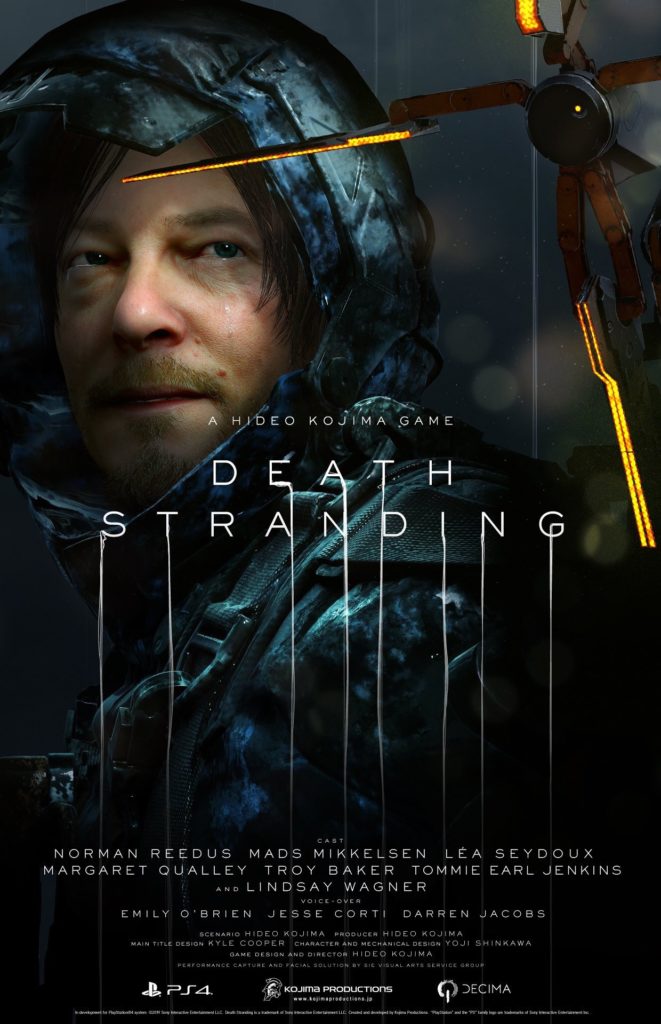
The post “Video Game Culture is developing an auteur problem” felt a spiritual follow-up to my discussion of Romance Mechanics in Video Games. The post is not only analytically relevant, but also presents one of the posts that I believe succeeds most in aesthetic and interactivity. I pushed my incorporation of media and sources, utilising a direct link function between quotes in the post and their sources. The post’s content posited that cultural discussion of Video games is increasingly emulating cinema by creating ‘Auteur’ figures. Emerging Auteur narratives are harmful, because they exacerbate pre-existing issues of crediting and misogyny in the Video Game industry. Hideo Kojima and the 2019 post-apocalyptic game Death Stranding, Kojima’s first release under his eponymous studio, serve as case studies.

Death Stranding as a text presents a fascinating case study of engaging with narratives of media designs. It actively courts the idea of the male auteur by featuring male creative figures. The game connects post-apocalyptic world building and creative narratives in a telling way:

“Death Stranding” engages with themes of male creation and reproduction through its protagonist and his “Bridge Baby”, a living, preserved, stillborn child carried at all times. Korine Powers, Phd candidate at Boston University, notices that women within the game, on the other hand, are barren, and their attempts at reproduction fail. The game’s world is a world without female creation.”

-Video Game Culture is developing an Auteur problem, Fables and Reflections, March 29th, 2023

Furthering my academic journey, this insight provides unique perspectives to my research on post-apocalyptic worlds, spaces, and their messages and functions.

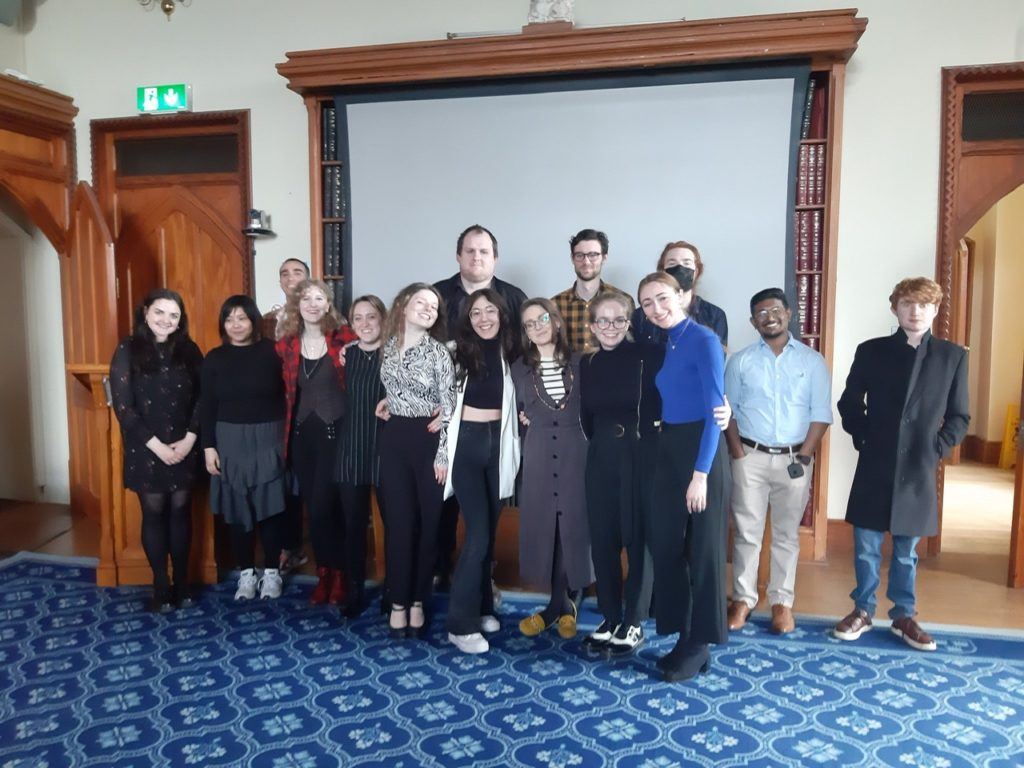
April presented me with an opportunity to refine the ideas peppered throughout my blogging endeavours: ideas of post-apocalyptic space and environments, and mankind’s relationship to them. On April 6th, my fellow English Masters students held a Mini-Conference, Textualities. Each of us delivered a Pecha Kucha presentation. My presentation discussed Supernatural Space as setting in two Russian post-apocalyptic novels. I compared the Zone in the Strugatsky Brothers’ Roadside Picnic with the Metro in Dmitry Glukhovsky’s Metro 2033. These novels employ the Supernatural to expand the agency of natural spaces and the non-human. Environment suspends human efforts of order, such as time and maps, but also human perception of reality through madness and disorientated perception. Environment and space challenge ideas of human authority.

I furthermore had the honour of chairing a panel on Gender Roles and Expectations, full of excellent speakers. However, the real delight of the day was its communal aspect:

“Ultimately, my personal performance only constitutes a part of what made the Textualities Conference rewarding for me. There was a community in sharing in my fellow students’ research, hearing them speak about what they are passionate. The conference’s communal nature and light-hearted atmosphere revealed the warmest side of research.”

-Reflecting on Textualities 2023, Fables and Reflections, April 10th, 2023
Conference group Picture

The twilight of Fables and Reflection nears. Now that I have refined and focused my research, the two latest blog posts that remain reflect closely the themes and interests to which my academic journey has led me.

Recalling a Symposium on American Literary Naturalism and the Visual/Digital I attended in November, I reflected on Sarah McCreedy’s paper on New Naturalism and Video Games. She particularly focused on Naughty Dog’s 2013 The Last of Us, positing that the game presents a new updated form of Naturalism. Updating conceptions of determinism, the game instead gives the player an illusion of Free Will analogous to an illusion of Free Will under Neoliberal Capitalism. The game gives the impression of choice to the player, but ultimately the player is locked out of the linear story. I considered this argument from several perspectives, drawing in a contrasting approach to determinism in Cormac McCarthy’s The Road, one of the subjects of my current research. Crucially, however, I applied the approaches to determinism and deceptive free will to space and nature in both works. Exercising my research, I argued that while both texts exhibit a similar approach to post-apocalyptic natural space denying human agency, The Road hues deterministic. The Last of Us, on the other hand, gives an illusion of human agency against the natural.

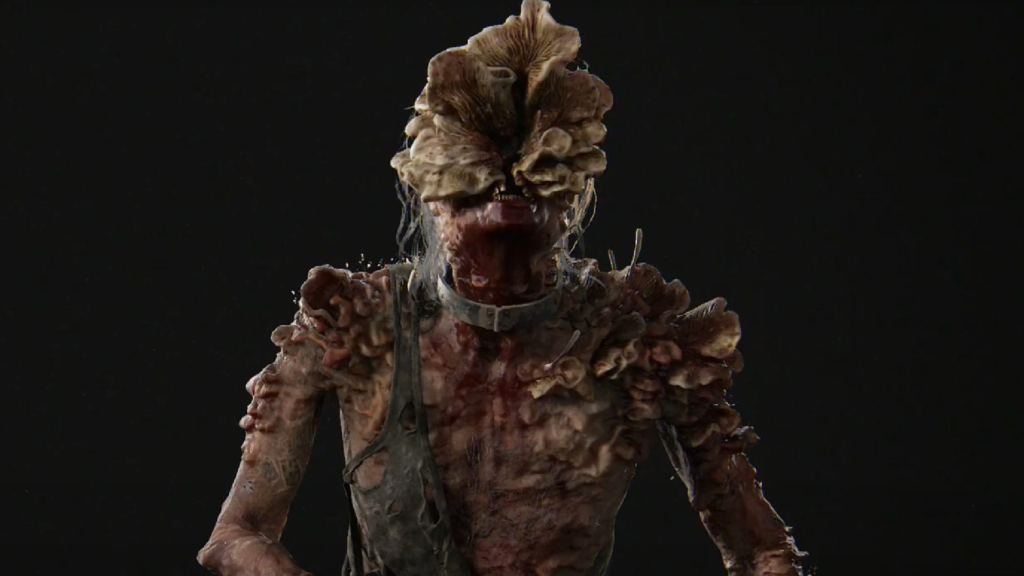
“As Zombie media, The Last of Us provides undead enemies which the player fights as well as other humans. The virus that creates the undead, a fungi, links them to nature. They look no longer human, appearing overgrown. Through them, the player is given agents of the transformed natural space to combat. As a result, the game provides an illusion of ability to fight the post-apocalyptic natural space, unlike The Road. It is a miming of human agency that turns out to be as deceitful as the game’s Free Will, as the quest to find a cure dissolves.”

-Post-apocalyptic Naturalism, the Road, and the Last of Us, Fables and Reflections, April 11th, 2023.

This penultimate blog post is a true reflection of my current interests as a researcher. It is the end of a journey I have taken throughout my blog. It reflects my visually cohesive style, and a tone refined over months. I have taken on an analytic approach and sensibility that teased itself in my first post: the ideas of space and human’s relationship to the systems and environments inhabit.

My last post, a consideration of the use of giant worms in Dune and Metro 2033, constitutes my final blog exercise in these themes, and presents a personal favourite. It is an ode to the use of worms, an animal inherently alien, as an agent of natural space and primordial forces of creation that oppose industrialisation and technological modernity.

“these imaginings are certainly not coincidental and are extremely telling. They glimpse into how stories dissect industrialisation, technology, and modernity, and the role nature and environmental agency must play in those considerations. They tease the fading horizon of humanity and picture the Earth’s alien invertebrate inheritors.”

-And the worms shall inherit the earth- a literary conspiracy, Fables and Reflections, April 14th, 2023

At the start of my blogging journey, I did not imagine that my writing would form such a coherent narrative. Even though the idea of Fables and Reflections was a grasp in the dark, a hope that my writings would form a bigger picture, the picture has come to light. This cohesion was not apparent to me even during my simply writing on media that struck me. However, reflecting back on the blog, now that I have set myself a specific academic interest, has truly been a revelatory experience.

All along, there has been a sensibility towards certain modes of analysis, of systems, and space, which I have found extremely suitable to me in my search for a thesis. I have discovered a preoccupation for imaginative post-apocalyptic stories that has fuelled research founded on a genuine passion. Yet, there are much broader ways in which the blog process has carried my academic journey. It chronicled my forays into academic presenting. More importantly, it was a vital and continued exercising in writing, of chronicling ideas regularly and putting analysis into words. Looking back, my entries sketch out a road that has transported me further than I ever could have guessed.

Sources

Images where not credited in text:

  • Keep the Aspidistras Flying, George Orwell, Penguin 1936 Cover
  • The Magnus Archives Logo, Rusty Quill, Spotify
  • Still from Fallout 4, Bethesda
  • Death Stranding Release Poster, Kojima Productions, 2019
  • Concept Art: Infected from The Last of Us, Naughty Dog, 2013

Posts Cited

  • Kelber, Hanke, Orwell’s Keep the Aspidistras Flying: An Exercise in Self-Flagellation and Doubt, Fables and Reflections, November 7th, 2022.
  • –, Defying the Edifice of linear History in Academic Research, Fables and Reflections, November 16th, 2022.
  • –,The Magnus Archives: Elevating the Eldritch, Fables and Reflections, December 17th, 2022.
  • –, SMI and ICTM Joint Postgraduate Conference: A Brief Travelogue, Fables and Reflections, February 2nd, 2023.
  • –, The Uncomfortable Romance Of Role Playing Games, Fables and Reflections, February 17th, 2023.
  • –, Video Game Culture is developing an Auteur problem, Fables and Reflections, March 29th, 2023.
  • –,Reflecting on Textualities 2023, Fables and Reflections, April 10th, 2023.
  • –, Post-apocalyptic Naturalism, the Road, and the Last of Us, Fables and Reflections, April 11th, 2023.
  • –,And the worms shall inherit the earth- a literary conspiracy, Fables and Reflections, April 14th, 2023.